In this article
Walking into a spa in a new city should feel relaxing, but not knowing what happens next can make the first few minutes feel uncertain. The good news: a thoughtful spa visit is usually simple.
You do not need to understand every massage technique before booking. A clear idea of how much time you have, where your body feels tired and whether you prefer gentle or firm pressure is enough to begin.
Before you book
Start by choosing the general kind of care you want. Full-body massage suits an all-over reset, while foot, head or shoulder treatments are useful when you want to focus on one area or have less time.
If you are unsure, message the spa with three details: your preferred day and time, how long you have, and what you would like the treatment to focus on. The reception team can then narrow the menu without asking you to guess.
A quick first-visit checklist
Share any areas you want the therapist to avoid, mention your preferred pressure and arrive a little early so the consultation does not take time away from the treatment.
When you arrive
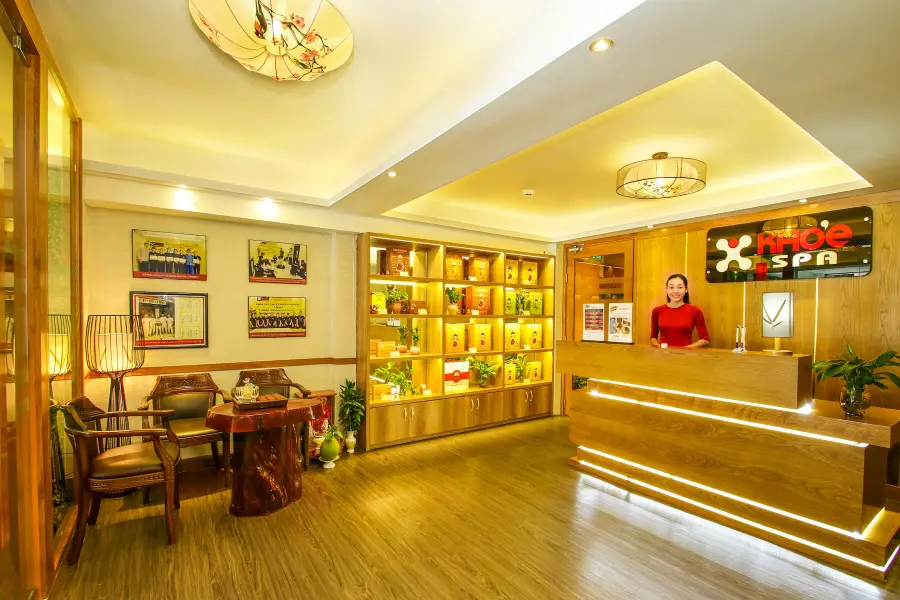
Reception will confirm your booking and treatment, then ask a few simple questions about pressure and areas of focus. This is the right moment to say if you have limited time or would prefer a quieter session.
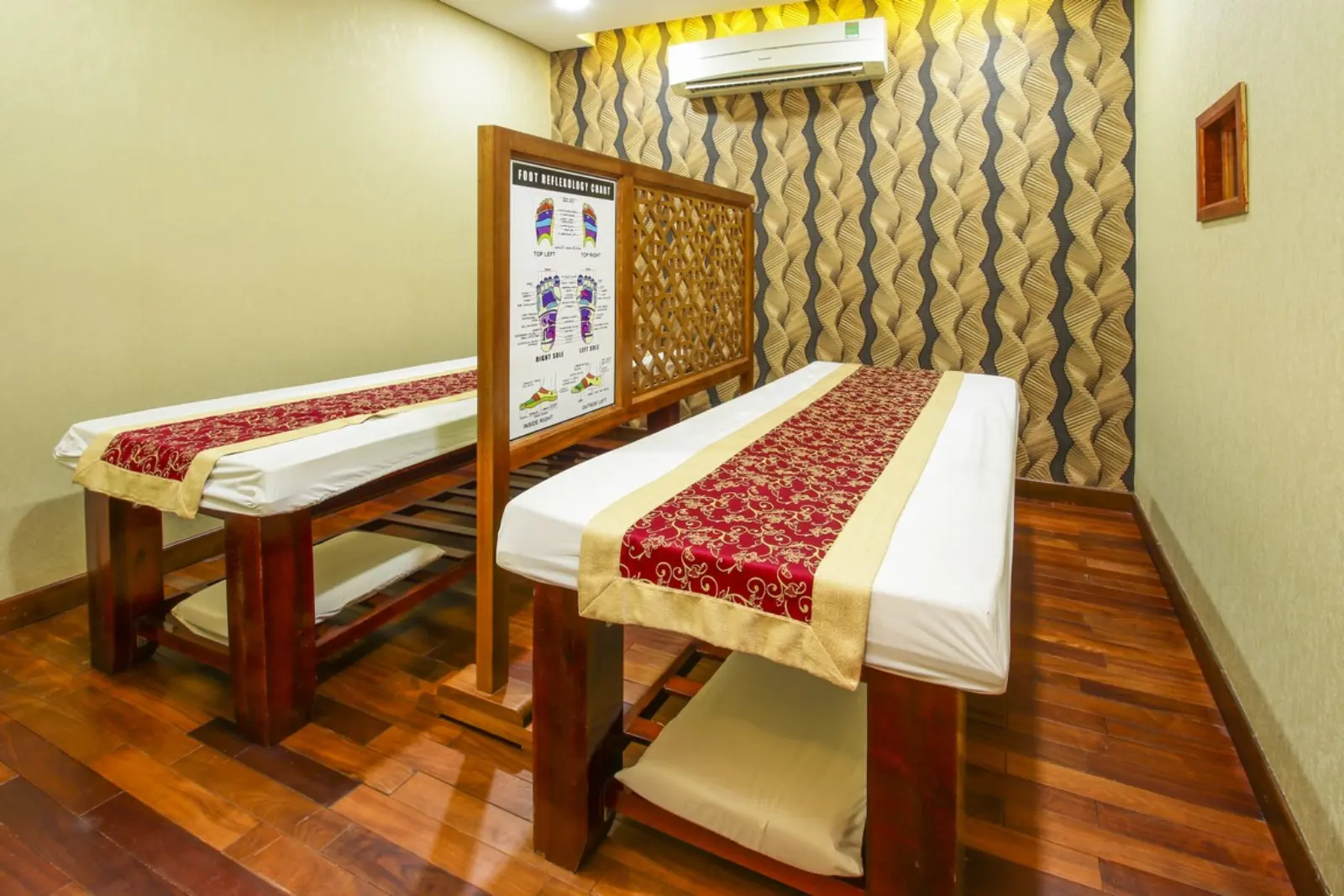
You may be invited to settle in with tea and a foot soak before meeting your therapist. Personal items can be stored before the treatment begins, and clean treatment clothing is provided where the service requires it.
Choosing the right treatment
The clearest way to choose is by describing how you feel rather than searching for a technical name. Use this as a starting point:
- Stress and tension: an aromatherapy oil massage is a gentle, all-over place to start.
- Tight neck and shoulders: ask for focused pressure and explain whether you prefer medium or firm work.
- General travel fatigue: choose a longer full-body treatment with a slower pace.
- Stiff and tight: Thai or shiatsu massage uses stretches and acupressure, without oil.
Preferences are personal. A treatment that works well for someone else is not automatically the best choice for you that day.
During the treatment
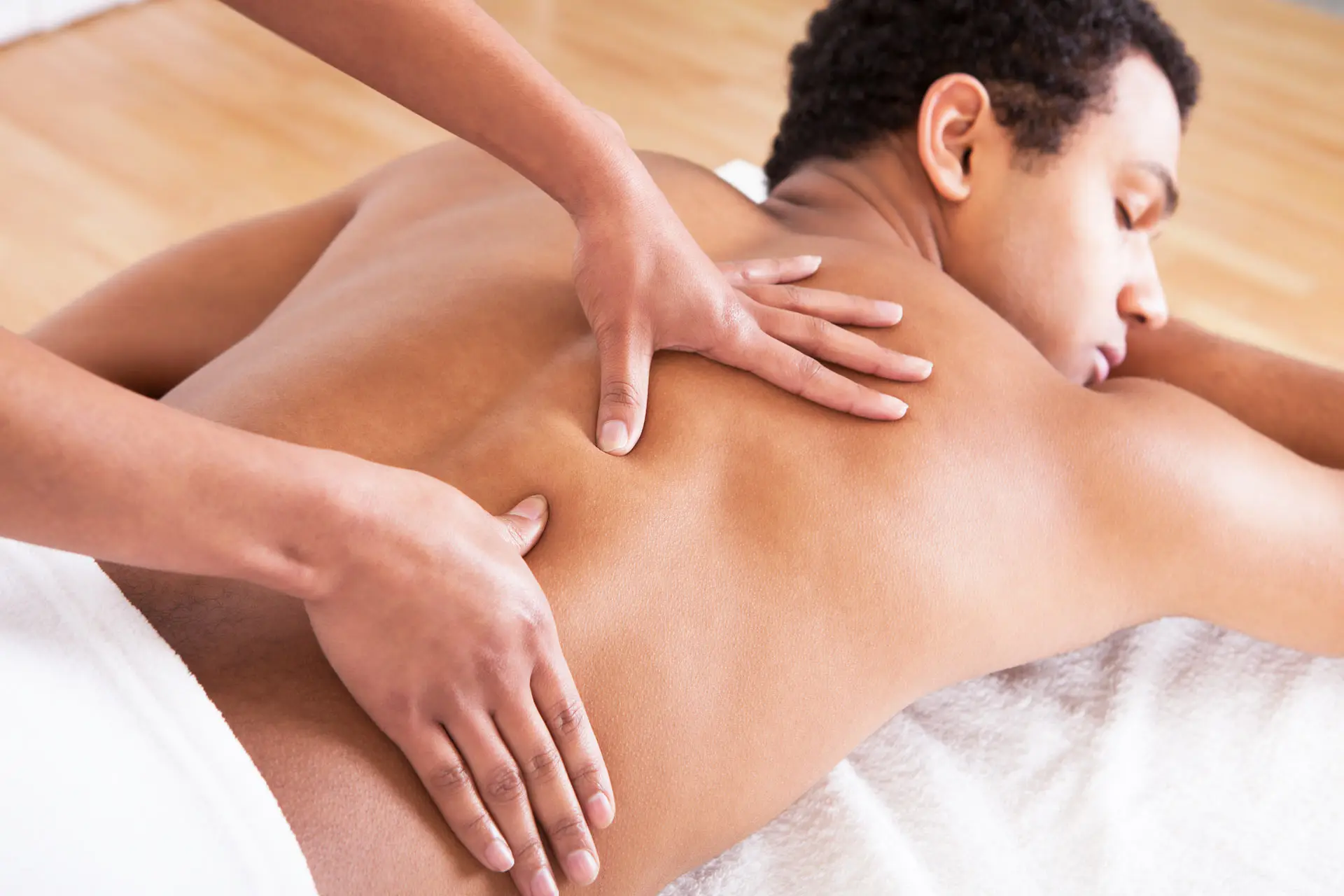
Your therapist should check the pressure early in the session. You can ask for lighter or firmer pressure at any time — changing your mind is completely fine.
Simple phrases such as “a little softer,” “more pressure here,” or “please avoid this area” are enough. Hand gestures and a pressure scale can also make communication easier when you do not share the same first language.
Afterwards
There is no need to rush back into the city. Sit for a moment, have some water or tea and check that you have all your belongings before leaving.
If you enjoyed a particular pressure or technique, make a short note. That small detail will make it easier to request a similar experience next time.
The short version
Arrive a little early, say what your body needs, speak up about pressure and give yourself a few unhurried minutes afterwards.